
Last Updated on 02/28/2026 by Eva Liu
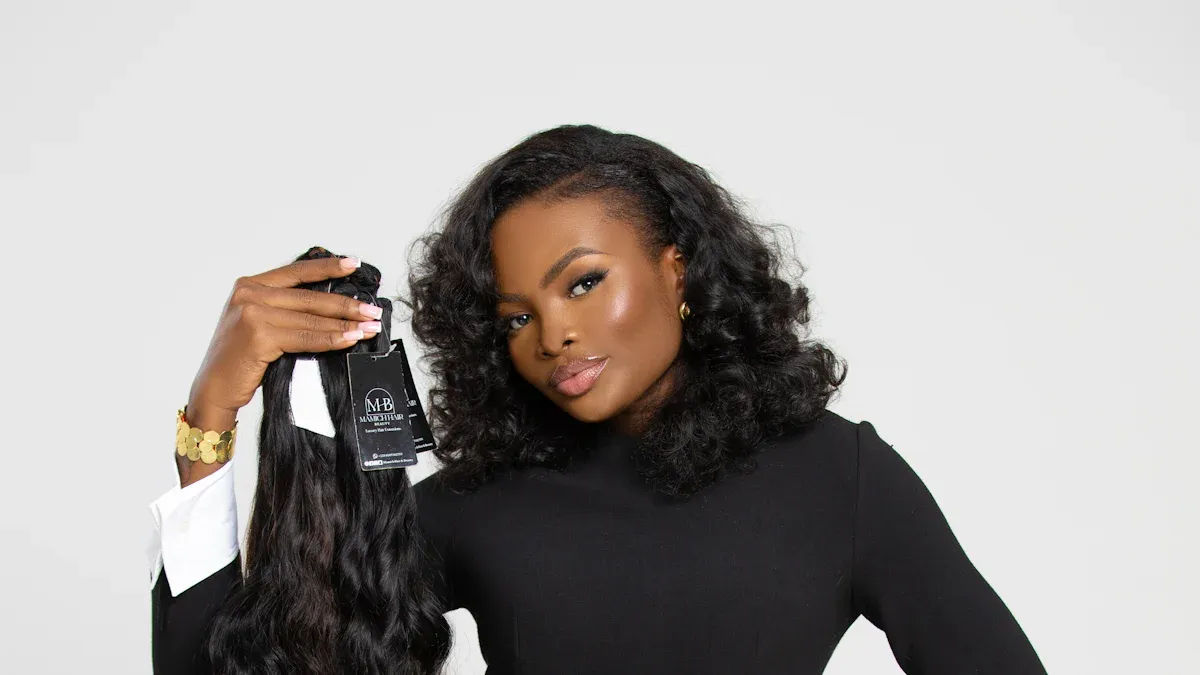
You can start a private label hair extensions business without having inventory. Suppliers let you use dropshipping and do not need you to buy a lot at once. This helps you avoid spending a lot of money at the start. The hair market is growing quickly. People want to look good and new technology helps make better products. You should register your business and get the right permits.
The global hair extensions market may grow from $15.5 billion in 2025 to $30.7 billion by 2032.
Register your business with the state and get a Seller’s Permit.
Private Label Hair Extensions Basics
What Is Private Label
You may ask how private label works in hair. Private label means you use products from a supplier. You put your own brand name on them. You do not need to make new hair extensions. You do not spend months making hair products. You can work on your brand. You sell hair extensions that are already made.
Here are some main advantages for new business owners:
Advantage | Description |
|---|---|
Higher Profit Margins | Private-labeled products usually make more money because of branding and special packaging. |
Reduced Product Development Costs | Business owners save money by using products that are already made. |
Brand Building Without Starting Fresh | Private labeling lets you build a brand without making new products. |
You can pick the packaging, logo, and style. This helps you be different in the market. You can get loyal customers with your own private label hair extensions.
How No Minimums Work
Starting a business can feel hard. You may worry about buying lots of inventory. Many suppliers now have no minimums. This means you do not need to buy a big batch. You can order only what you need. You can even order just one bundle.
Tip: No minimums help you try new products and styles without losing money.
You can test new hair extensions. You can see what your customers like. If you are new, this makes private label hair extensions easier and safer. You do not need a warehouse or storage space. You can focus on growing your brand. You can learn what sells best.
Choosing a Private Label Supplier

Dropshipping and Zero Inventory Plans
You want to sell hair extensions but not buy a lot. Dropshipping and zero inventory plans can help you do this. These plans let you start your business with less risk. You do not need to spend much money at the beginning. You will not have to keep boxes of hair at home. You can spend more time on your brand and customers.
Many private label suppliers have plans that are easy to use. Here is what you can get from these plans:
Feature | Dropshipping Option | |
|---|---|---|
Inventory Requirement | No need to invest in inventory | Orders can be sent in your packaging with blind shipping |
Money Back Guarantee | 100% Money Back Guarantee with up to 30 days for exchange or refund | N/A |
Minimum Order Requirement | No minimum order stipulation | N/A |
Starter Kit | Free starter kit to evaluate quality and color of hair extensions | N/A |
Packaging | Free packaging with your logo and design | N/A |
Color/Texture Options | Over 40 colors/shades and multiple textures available | N/A |
Additional Discounts | Extra discounts and add-ons if order volume matches Pro plan | N/A |
A zero inventory program gives you many good things. You get free packaging with your own logo. You can try a starter kit before you sell anything. You can give your customers lots of colors and textures. If you use dropshipping, your supplier sends the hair to your customer. They use your brand’s packaging. Your customer will not know the difference.
Tip: Always ask if your supplier has a money-back guarantee or starter kit. This lets you check the hair before you buy a lot.
Evaluating Supplier Support
Choosing the right supplier is very important for your business. You want a partner who helps you grow. Not all suppliers are the same. Some give better help, more choices, and higher quality.
Here are things to look for when you pick a supplier:
Ask for real photos and videos of their factory and products.
Make sure they can do custom orders and special requests.
Ask for proof of how they make the hair.
Order samples and wash them to check the quality.
Good suppliers answer your questions fast and clearly.
They should tell you where the hair comes from.
Single donor hair is better and more consistent than mixed donor hair.
Suppliers should use clear and true labels for their hair.
Good suppliers check quality at every step.
You might have some problems when you work with a supplier. Sometimes you may worry about honesty or fair practices. Here is a table with common problems and ways to fix them:
Challenge | Solution |
|---|---|
Lack of Transparency | Work with suppliers who show proof and use traceability systems. |
Ethical Dilemmas | Choose suppliers who follow ethical practices and clear guidelines. |
Limited Regulations | Pick partners who use voluntary standards and push for better rules. |
Note: Good help from your supplier makes your business easier. Always read reviews and ask other business owners what they think.
If you take time to pick the right supplier, your business will do better. You will get better hair, have fewer problems, and your customers will be happier.
Customizing Your Brand
Product Options and Packaging
You want your business to be different from others. Changing your packaging and product choices helps you do this. You can make your own line that is special for your brand. Top suppliers let you pick the length of extensions. You can choose from many kinds of materials. You might use eco-friendly boxes or pick bright colors. You can put your logo and colors on the box. You can use special printing to make it look nice. This makes your hair products look more professional. It also gives your business a special look.
Here’s a quick look at what you can change:
Description | |
|---|---|
Bespoke Sizes | You can pick the length and box size for your extensions. |
Materials | Choose eco-friendly or fancy materials for your boxes. |
Branding with Logos | Add your logo, colors, and designs to make your hair stand out. |
Printing Techniques | Pick digital, offset, or foil stamping for a shiny finish. |
Tip: Boxes with your logo and colors make your hair extensions feel special. This helps people know your brand.
Branding for Private Label Hair Extensions
Branding is more than just a logo. When you make your own line, you build trust. You also add value to your business. Luxe Locks Extensions changed their boxes from plain to fancy ones. Customers stopped saying the hair was tangled. Social media posts went up by 200%. They raised prices by 30%. This shows how branding makes private label hair extensions worth more.
You can pick your own length, style, and box. You can make hair extensions that fit your ideas. When you make your own line, you show customers your hair is only for your brand. This helps you stand out and grow your business.
Setting Up Your Store
E-commerce Platforms
You want to sell private label hair extensions online. Picking the right platform helps you a lot. Each platform has its own features. Some are good for beginners. Others help your business grow fast. Look at this table to see which one fits you:
Platform | Key Features | Best For |
|---|---|---|
Shopify | Built for eCommerce, premium themes, seamless checkout, integrates with social media | Sellers serious about scaling |
Wix | Drag-and-drop builder, modern templates, includes product pages and payments | Beginners or part-time stylists |
WooCommerce | 100% customizable, no monthly fees, perfect for blogging and selling | SEO-focused businesses |
BigCommerce | Enterprise-grade eCommerce, multi-channel selling, unlimited products | High-volume hair stores |
Squarespace | Stunning design, ideal for portfolio and store combo | Stylists and influencers |
GoHighLevel | Sales funnels, email marketing, CRM | Hair vendors using paid ads |
CommentSold | Live selling via video, auto-invoice, real-time inventory updates | Influencers or salon owners with engagement |
Tip: Shopify and Wix are simple to use. You can set up your store quickly. You can start selling hair extensions right away.
Product Listings and Pricing
Product listings help customers pick the right hair. Use clear photos and easy descriptions. Show the length, color, and texture. Make your listings simple to read. Try different prices to see what works best. Here are some ideas:
Offer bundles to give more value.
Use discounts to get new buyers.
Try higher prices for special extensions.
Give flexible ways to pay.
Here’s a table with popular pricing strategies:
Pricing Strategy Type | Description |
|---|---|
Dynamic Pricing | Change prices when the market changes or demand goes up. |
Premium Pricing | Set higher prices for the best hair. |
Cost-Plus Pricing | Add a set amount to your costs for cheaper options. |
Discounts and Promotions | Use sales to get more interest and sell extra stock. |
Attractive Packaging | Make your packaging look nice to add value. |
Note: Good customer service and cool packaging help you charge more. They also help you build trust.
Managing Orders and Customer Service
Order Fulfillment and Shipping
You want your customers to get their hair fast and without problems. When you use dropshipping, the process looks like this:
Customers place an order and expect timely delivery.
You submit a wholesale inquiry and talk with a sales manager.
You place a sample order to check quality.
You get a quotation and invoice.
You secure payment.
The supplier handles production and quality control.
Packaging and branding happen next.
Shipping goes out with global carriers.
After-sales support is available for any issues.
Shipping times can take 3-7 days. Sometimes delays happen because of weather, customs, or technical issues. You have less control over quality and service than if you held inventory. Competitors with inventory can ship the same day, so you need to set clear expectations. Make sure your website explains delivery times, shipping costs, and return policies. Customers feel better when they know what to expect.
Tip: A clear shipping policy helps your customers trust your business. Always update them about their order status.
Handling Returns and Inquiries
Returns and questions are part of running a hair business. You need a fair return policy that is easy to find. Customers like simple return steps and quick answers. If you respond fast, you show you care. Good customer service can turn first-time buyers into loyal fans. Make sure your return policy is clear and easy to follow. Let customers know how to contact you for help. When you handle returns well, people feel valued and come back for more extensions.
A clear and fair return policy builds trust.
Easy returns and fast replies make customers happy.
Excellent service helps your business grow.
Note: Happy customers will share your hair business with friends. Good service makes your brand stronger.
No Minimums and Low Cost Entry
Reducing Startup Risk
Starting a business can feel scary. You might worry about losing money or getting stuck with products that do not sell. When you use low cost minimums, you lower your risk right away. You do not need to buy a huge amount of hair or spend all your savings. You can order just what you need, when you need it. This makes it easier to test new styles or colors without fear.
Many private label suppliers offer no minimum order plans. You can start small and grow at your own pace. If you want to try a new type of extensions, you can order one or two bundles first. You do not need to fill your closet with boxes. This helps you avoid waste and keeps your business flexible.
Here are some ways low cost minimums help you reduce risk:
You can test different products before making big decisions.
You avoid spending money on slow-selling items.
You keep your cash free for marketing or branding.
You can change your product line quickly if trends shift.
Tip: Always ask your supplier about their minimum order policy. Some will let you order just one bundle to start.
A low-cost entry model also helps you reach profitability faster. Some businesses break even in just six months, even if they start with a big investment. When you focus on high-margin services and direct sourcing, you keep your costs down and your profits up. You get more control over your brand and your money.
Managing Cash Flow
Cash flow is the money moving in and out of your business. If you do not manage it well, you can run into trouble. With private label hair extensions, you have more control because you do not need to buy a lot of stock. You can keep your money working for you.
Here are some smart ways to manage your cash flow with low cost minimums:
Look at your past sales to see how much inventory you really need.
Watch for busy seasons and slow times. Order more hair when demand goes up, and less when it drops.
Start with your best-selling products. This keeps your risk low while you build your brand.
If you ever face a higher minimum order, you can team up with another business to split the cost.
You can also use direct factory sourcing to keep your quality high and your costs low. This helps you stay profitable for years. Many salon owners find that focusing on repeat customers and maintenance visits brings in steady income. You do not have to chase new sales all the time.
Note: Good cash flow means you can pay your bills, invest in marketing, and grow your business without stress.
A private label business with low cost minimums gives you the freedom to try new things, adjust your strategy, and build a brand that lasts. You do not need a big warehouse or a huge budget. You just need a smart plan and the right supplier.
Quality and Ethical Sourcing
Ensuring Product Quality
You want your customers to trust your store. Good quality is very important in private label hair extensions. If you sell 100% remy human hair, it should stay soft and shiny. It should not get tangled. Suppliers use many steps to keep the hair nice. Look at this table to see how they do it:
Description | |
|---|---|
Regulatory Compliance | Adherence to U.S. and global regulatory guidelines |
Inspections | In-house and third-party inspections throughout the production process |
Quality Assurance Team | A dedicated team focused on consistency, safety, and long-term wearability |
Supplier Education | Educating suppliers to exceed the Supplier Code of Conduct requirements |
You can ask your supplier about their checks and quality team. If you want to see for yourself, order a sample and wash it. Good suppliers will explain their process and answer your questions.
Tip: When you sell good quality hair, people trust you and buy again.
Verifying Ethical Practices
You want to know where your hair comes from and how it is made. Ethical sourcing means workers get fair pay and safe jobs. Many suppliers now follow rules to protect workers and donors. Here are some ways companies make sure their work is fair:
Atelier Extensions buys hair straight from donors and pays them well.
PHE Salon checks suppliers to make sure they use fair trade.
Vendor Codes of Conduct help track where hair comes from and set labor rules.
CanadaHair.ca keeps records of payments and checks labor standards.
Some suppliers also get special certificates to show they follow the rules. Here’s a table with common certificates:
Description | |
|---|---|
Fair Trade Certification | Guarantees fair pay and ethical treatment for workers. |
ISO Certification | Confirms high standards in processing and quality control. |
You can ask your supplier about their checks and certificates. When you use ethical sourcing, your brand gets stronger and stands out in the private label hair extensions market.
Growing Your Private Label Brand
Differentiation Strategies
You want your brand to be noticed in a busy market. You can do this by showing what makes your business special. Here are some smart ways to stand out:
Decide what your brand values most. Think about quality, new ideas, happy customers, and caring for the planet.
Find what makes your hair extensions different. Ask yourself why people should pick your brand.
Make your brand look unique. Get a cool logo, bright colors, and nice packaging.
Build your online presence. Use a simple website, social media, and good posts to reach more people.
Work with influencers and stylists. Let them show your hair products to their followers.
Make customers feel important. Give easy returns, special tips, and rewards for loyal buyers.
These strategies help your brand grow faster. Many top hair brands focus on what makes them special and offer new products. They also team up with others to reach more customers.
Tip: A good brand story and cool packaging make your hair extensions stand out.
Building Customer Loyalty
You want customers to keep coming back. Start by making a brand that people like and trust. When customers believe in your private label, they feel special and want to buy again. Good quality hair keeps them happy and stops complaints.
Give great service to build loyalty. Always answer questions fast and treat each customer well. Offer fair prices and fun deals to get repeat buyers. Keep customers updated with emails and news. Show real reviews and stories to build trust.
Give friendly and personal service.
Keep your hair quality high.
Use deals to reward loyal buyers.
Be honest and share customer stories.
When you follow these steps, you build a group of happy customers who love your private label hair extensions.
You can start your own hair business without keeping inventory. This gives you many good things. Here are some perks:
Benefit | Description |
|---|---|
Change products to fit what your customers want. | |
Brand Exclusivity | Make your brand special and different from others. |
Low Cost Minimums | Grow your business without spending a lot at first. |
Begin by looking for suppliers. Work on your brand and learn how dropshipping works. Many people have built strong businesses with a smart plan. Try to avoid mistakes and take your first step now!


